How Australia’s record store scene is organized
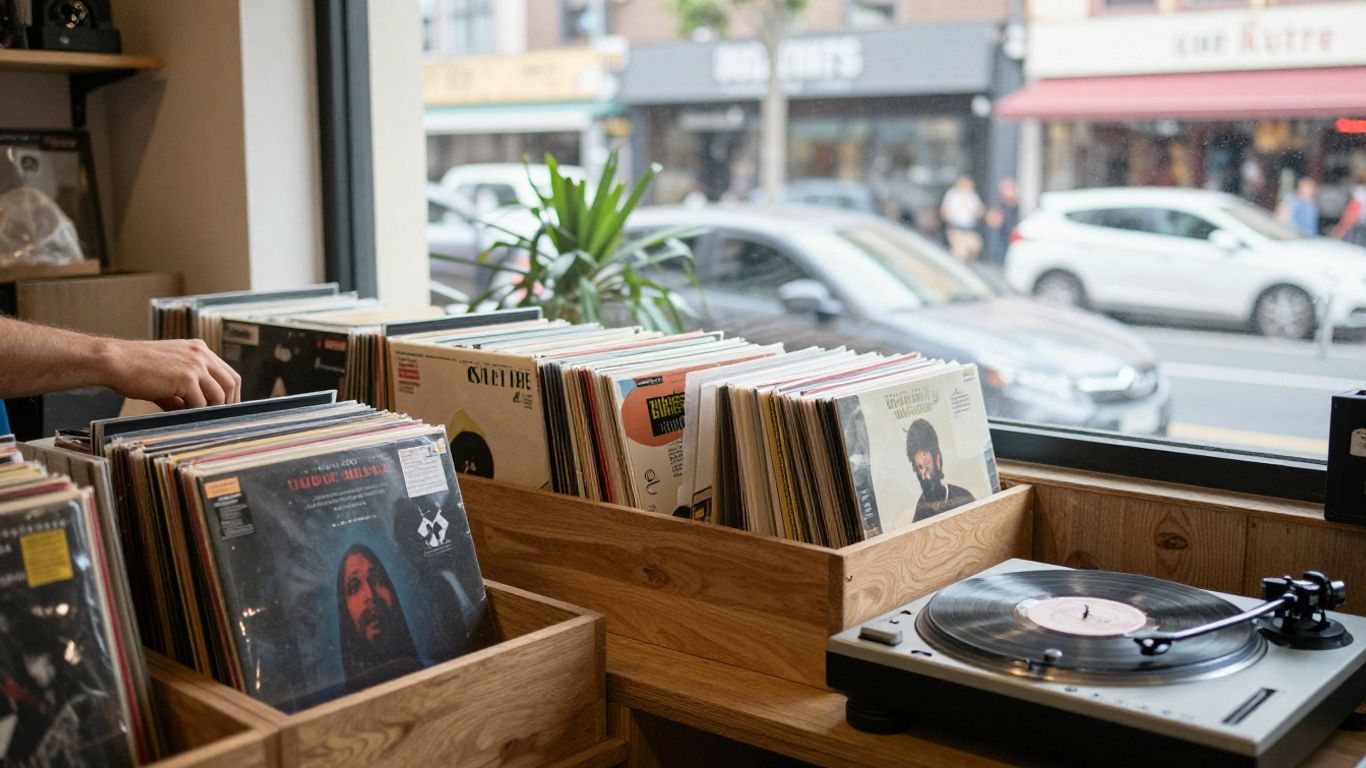
Australia’s record shops range from compact neighbourhood stores to larger retailers with broad catalogues, and no two visits need to feel quite the same. We can browse for a new release, spend an afternoon with secondhand crates, or ask a specialist shop about a particular corner of music. The best way to approach the scene is with some flexibility: stock changes, and the pleasure is often in finding something unexpected. This record store guide australia is a starting point for exploring at your own pace.
Independent shops, chains, and specialist retailers
Independent shops often reflect the tastes and interests of the people who run them, while larger retailers may offer a wider spread of popular releases and accessories. Specialist stores can be rewarding when we have a particular genre or format in mind, though their range may be narrower by design. A shop’s website or social media can give us a feel for its stock before we visit, but browsing in person still has its own appeal.
Regional stores and major-city hubs
Major cities tend to make it easier to compare different shops in one outing, while regional stores may be a destination in their own right. In either setting, a store can function as more than a place to buy records: it can be a familiar stop for local listeners and collectors. We can keep an open mind about the size of a shop; a small, carefully arranged selection may suit us better than a much larger floor of stock.
New releases, secondhand records, and collector markets
New releases offer a straightforward way to follow current artists, while secondhand shelves can bring older albums and unfamiliar names into view. Collector markets add another possibility, with sellers bringing records that may not appear in a shop’s regular stock. It helps to decide whether we are searching for a specific album or simply browsing, since those call for different expectations. When we browse without a fixed target, a patient first pass through the crates can turn a quick stop into a more rewarding visit.
Where to find record stores across Australia
A record-shop trip can be as simple as stopping by a store near home or as deliberate as planning a day around several neighbourhoods. Sydney and Melbourne offer plenty of reasons to browse by area, while Brisbane, Perth, Adelaide, and regional centres each call for their own route. We can use a map to get oriented, then leave room for a shop that catches our eye along the way.
Exploring shops in Sydney and Melbourne
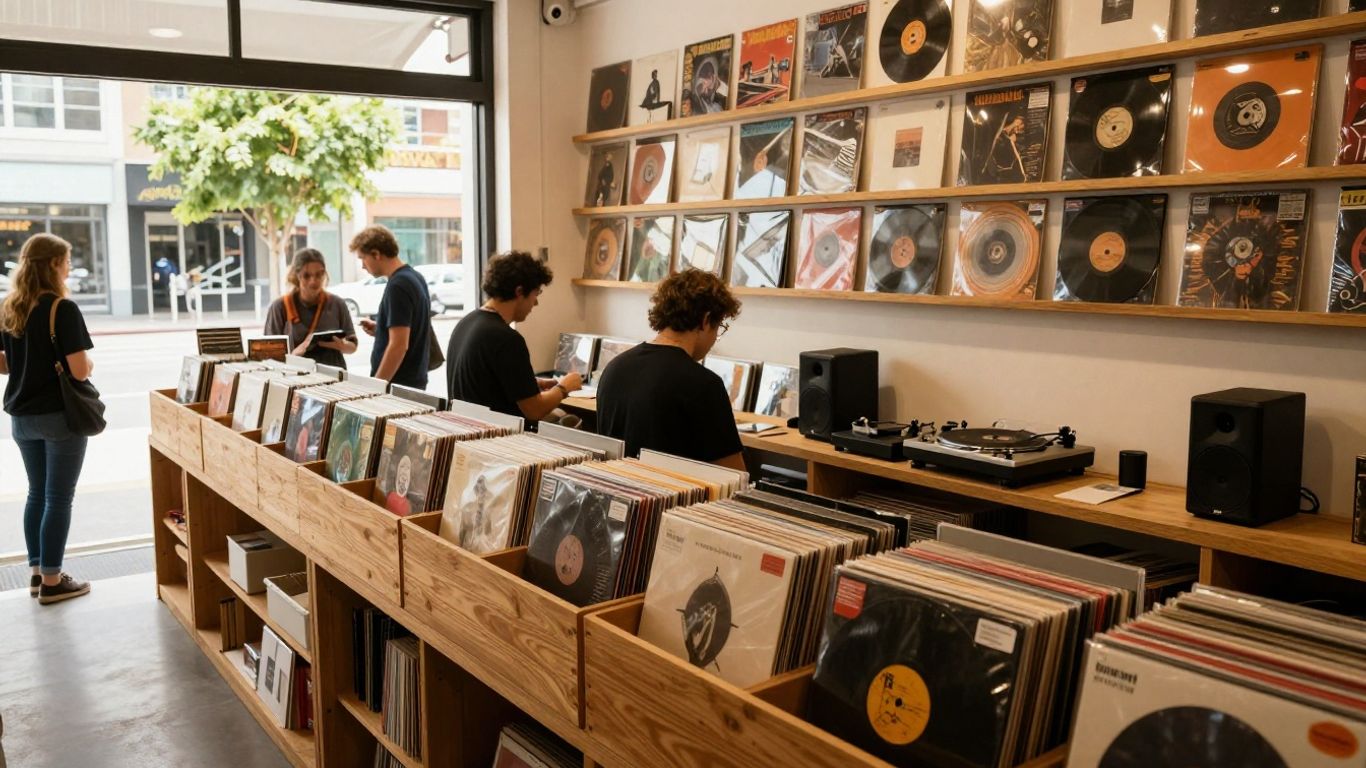
In Sydney and Melbourne, it can be useful to group shops by neighbourhood rather than trying to cross the whole city in one outing. We can check which areas have stores within a comfortable walk or short ride, then leave time to browse each one properly. A little research helps us arrive with a sense of what is nearby, but it is worth leaving the schedule loose enough for an unplanned stop.
Finding stores in Brisbane, Perth, and Adelaide
In Brisbane, Perth, and Adelaide, we can begin with a local search and check how far apart the shops are before setting off. A cluster of stores might make for an easy afternoon on foot, whereas a longer distance between stops may be better handled as separate visits. Store websites and recent social posts can help us see whether a shop’s focus and opening times fit the day we have in mind.
Looking beyond capital cities to regional towns
Regional towns may have fewer stores to choose from, so checking ahead can save a wasted detour. We can search local business listings, browse a town’s visitor information, or ask music-minded locals for suggestions. If we are travelling through, it is sensible to confirm that a shop is open and to treat the visit as one part of the day rather than the whole itinerary.
How to choose a store that fits your interests
The right shop depends on what we enjoy listening to, how we like to browse, and what we hope to find. Some visits are about hunting down one album; others are better when we have time to explore a broad selection. A quick look at a store’s catalogue or recent updates can help us decide where to start, without locking us into a rigid plan.
Matching store specialties to your favorite genres
If we collect within a particular genre, a shop that regularly stocks it may be a better first stop than a store with a broader but less focused range. Store descriptions, staff picks, and recent stock posts can offer clues about what tends to appear on the shelves. We can also ask whether a shop carries new, used, or both kinds of records in the styles we like. A brief message ahead of time is useful when we are after something specific.
Checking stock, prices, and store policies
Online listings can help us get a sense of a shop’s current stock and price range, though the shelves may change between updates. Before making a special trip, we can confirm that a particular record is still available and ask how the store handles holds or returns. These details are especially helpful if we are comparing editions or travelling from farther away. A little checking beforehand leaves more time for browsing once we arrive.
Finding knowledgeable staff and community-focused shops
A good conversation can make browsing easier, particularly when we are learning about a genre, label, or pressing. We can ask staff for recommendations, explain what we already enjoy, and mention whether we are after a particular sound or listening setup. It is useful to keep the question open-ended and listen to what they suggest; a record shop is often a place to discover music beyond our usual habits.
A useful recommendation starts with what we enjoy listening to, not what we are expected to collect.
That approach keeps the exchange relaxed and gives staff room to point us towards something unexpected. We can take a note of a title or artist and decide whether to listen now or come back to it later.
How to shop for records in person
Shopping in person gives us the chance to look closely at a record before we take it home. For a used copy, the sleeve and disc can tell us different things, and the condition matters as much as the title on the label. We do not need specialist equipment to shop carefully; a calm inspection and a few clear questions go a long way.
Inspecting vinyl condition and grading
For secondhand records, we can check the disc under good light for visible marks and ask the staff how the shop describes its condition. The sleeve may show wear even when the record itself looks clean, so it is worth considering both separately. If the store has a listening station, we can ask whether it is available for checking a copy. Grading terms can vary between sellers, so asking what a description means is perfectly reasonable.
Comparing pressings, editions, and formats
The same album may appear in different editions, on different formats, or with different packaging. If we care about a particular release, we can compare the label information and catalogue details rather than relying on the cover alone. For listening at home, it is also worth checking that the format suits our setup; a record collection is most satisfying when the playback equipment is ready for it. When details are unclear, staff may be able to help us distinguish between copies.
Asking about returns, holds, and trade-ins
Store policies differ, so we should ask about returns before buying, especially when choosing a used record or making a larger purchase. If we have found a title but want time to decide, we can ask whether the shop offers holds and how long they last. Trade-in arrangements also vary, including what a store accepts and how it assesses records. A clear question at the counter is easier than making assumptions later.
How to discover events and local music communities
Record shops can be a useful starting point for finding out what is happening in a local music scene. Some share event information in store, online, or through mailing lists; others are simply good places to ask what nearby venues or record fairs are worth looking into. We can make a visit more social by checking the local calendar, while keeping in mind that events and schedules change.
Planning a visit around Record Store Day
Record Store Day is an annual occasion centred on independent record shops, and participating stores may share their own plans and stock details. If we hope to visit on the day, it is sensible to check the shop’s current announcements for opening arrangements and any limits on particular releases. We can also decide whether we are going for a specific title or to enjoy the atmosphere, since popular items may not be available to everyone.
Finding in-store performances and listening sessions
Some shops host performances, listening sessions, or other gatherings, but the format and frequency depend on the store. We can check a shop’s event listings and social channels for dates, entry details, and any booking requirements. If we are interested in a particular event, confirming the information close to the date helps avoid surprises. Even a brief visit around a performance can introduce us to music and artists we might not have encountered otherwise.
Connecting with collectors, labels, and local artists
A record shop can bring together people who share an interest in music, from casual browsers to dedicated collectors. We can ask about local releases, nearby record fairs, or events where artists and labels are involved. Listening with curiosity helps these conversations feel natural; we do not need to know every pressing detail to take part. Over time, familiar faces and recommendations can make a local shop feel like part of our own music routine.
How to plan a record store trip
A little planning lets us spend less time navigating and more time browsing. We can decide how many stops feel comfortable, check whether the shops are near one another, and leave some breathing room between visits. The plan need not be elaborate: a map, current opening information, and a realistic idea of what we want to spend are often enough.
Building a route with store directories and maps
We can start with a map search or local directory, then confirm that the listed shops are still operating and open to visitors. Once we have a few possibilities, grouping nearby stops keeps travel straightforward and makes it easier to linger in a shop we enjoy. A short route can be more satisfying than trying to cover every store in one day. Before heading out, it helps to save the addresses and consider how we will get between them.
Checking opening hours and public holiday updates
Opening hours can change, particularly around public holidays, special events, or seasonal breaks. We should check a shop’s own website or recent social updates rather than relying only on an older directory entry. If we are making a long trip for one store, a quick call or message can confirm it is open. That small step gives us a firmer plan without removing the pleasure of a spontaneous browse elsewhere.
Budgeting for purchases, transport, and shipping
Before setting off, we can decide on a comfortable amount for records and keep transport costs in mind. Prices vary with condition, edition, and availability, so it helps to browse with some flexibility rather than expect every copy to fit the same range. If we find more than we can carry, we can ask whether the shop offers shipping and what the arrangements are. A simple plan means we can enjoy a tempting discovery without losing track of the rest of the day.
Conclusion
Exploring Australian record shops is as much about listening, browsing, and conversation as it is about finding a particular album. With a little preparation and room for detours, we can make visits that suit our tastes, discover local music, and bring home records that genuinely belong in our collections.
Frequently Asked Questions
What should we take on a record store visit?
A reusable bag can make carrying records easier, and a short list of wanted albums helps if we are searching for something specific. We can still leave room for discoveries we did not plan to find.
How can we find record stores near us?
Search online maps and local directories, then check the store’s own website or social media for current details. Recommendations from local music communities can also point us towards shops that suit our interests.
Are secondhand records worth buying?
They can be a good way to explore older releases, but condition varies from copy to copy. We should inspect the disc and sleeve, ask about grading, and check the shop’s policy before buying.
What is the best way to check a used record?
Look at the disc under good light and ask the staff how they grade it. If a listening station is available, we can ask whether it is possible to play the record before purchase.
Should we call a store before visiting?
It is a good idea if we are making a special trip or looking for a particular title. A quick check can confirm opening hours and whether a record is still available.
Can we bring records to a shop to trade?
Some stores consider trade-ins, but policies differ. We should contact the shop first to ask what it accepts and how to bring records in for assessment.
How can we make a record store trip more enjoyable?
Choose a manageable route, allow time to browse, and avoid filling the day with too many stops. Checking hours in advance and leaving space for an unexpected find can make the outing feel relaxed.