Understanding Australia’s record store scene
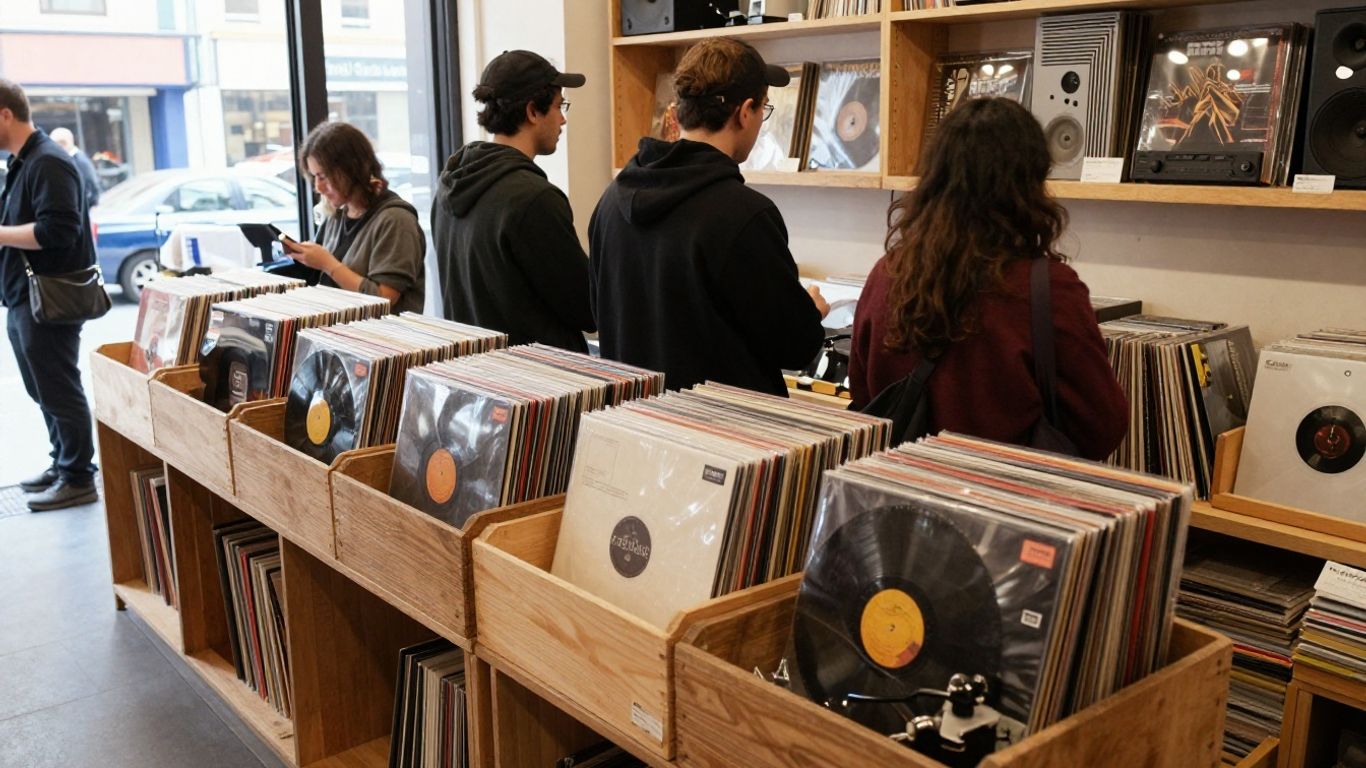
Australia’s record shops are varied, local, and often shaped by the people who run them. A good store may be a destination for serious collectors, a friendly neighbourhood stop, or both at once. In this record store guide australia, we focus on how to choose places that suit the way we listen, browse, and collect.
How independent record shops differ from major retailers
Independent shops usually make decisions at a human scale. Staff can explain why a pressing sounds different, point us towards an overlooked artist, or direct us to a section we might otherwise miss. Their shelves often reflect local knowledge rather than a uniform national buying plan.
Major retailers can be useful for predictable new releases, but independent stores tend to offer more character and variation. We may find a carefully chosen reissue beside a stack of inexpensive second-hand records, with the selection changing throughout the week.
The role of vinyl fairs, markets, and community events
Vinyl fairs bring together sellers whose stock would otherwise be spread across many suburbs or towns. They are especially useful when we want to compare several copies of the same title, browse across genres, or discover dealers who do not operate a permanent shop.
Community events add a social side to collecting. DJs, local musicians, listening groups, and record clubs can make a fair feel less like a transaction and more like an afternoon spent around music. We should still inspect every record carefully, since the pace and lighting are rarely as forgiving as a shop counter.
Why local stock varies from store to store
Stock depends on trade-ins, estate collections, local tastes, buying trips, and the owner’s specialities. One shop may receive a large jazz collection, while another develops a strong electronic section through regular customer trades. Even stores in the same suburb can feel completely different.
That variation is part of the pleasure. Rather than expecting every shop to carry a complete catalogue, we can visit with a broad idea and stay open to unexpected finds. A flexible want list is often more useful than a rigid shopping plan.
How Record Store Day shapes the buying calendar
Record Store Day creates a busy moment for independent shops, with limited releases, special events, and early queues in many places. It can be a worthwhile celebration, but it is not the only time to support local stores or find interesting records.
We should check the official release information and each shop’s arrangements before travelling. Some stores hold performances, signings, or sales alongside the releases, while others focus on browsing and a straightforward queue. Planning calmly helps us avoid buying something merely because it is scarce.
Finding the best record stores by city
The best shop depends on what we want to hear, not simply on a city ranking. Capital cities offer dense clusters and specialist dealers, while regional shops may have deeper local connections and surprisingly distinctive stock. We can get more from a visit by treating each city as a group of neighbourhoods rather than one giant shopping area.
Melbourne’s neighbourhood shops and specialist dealers
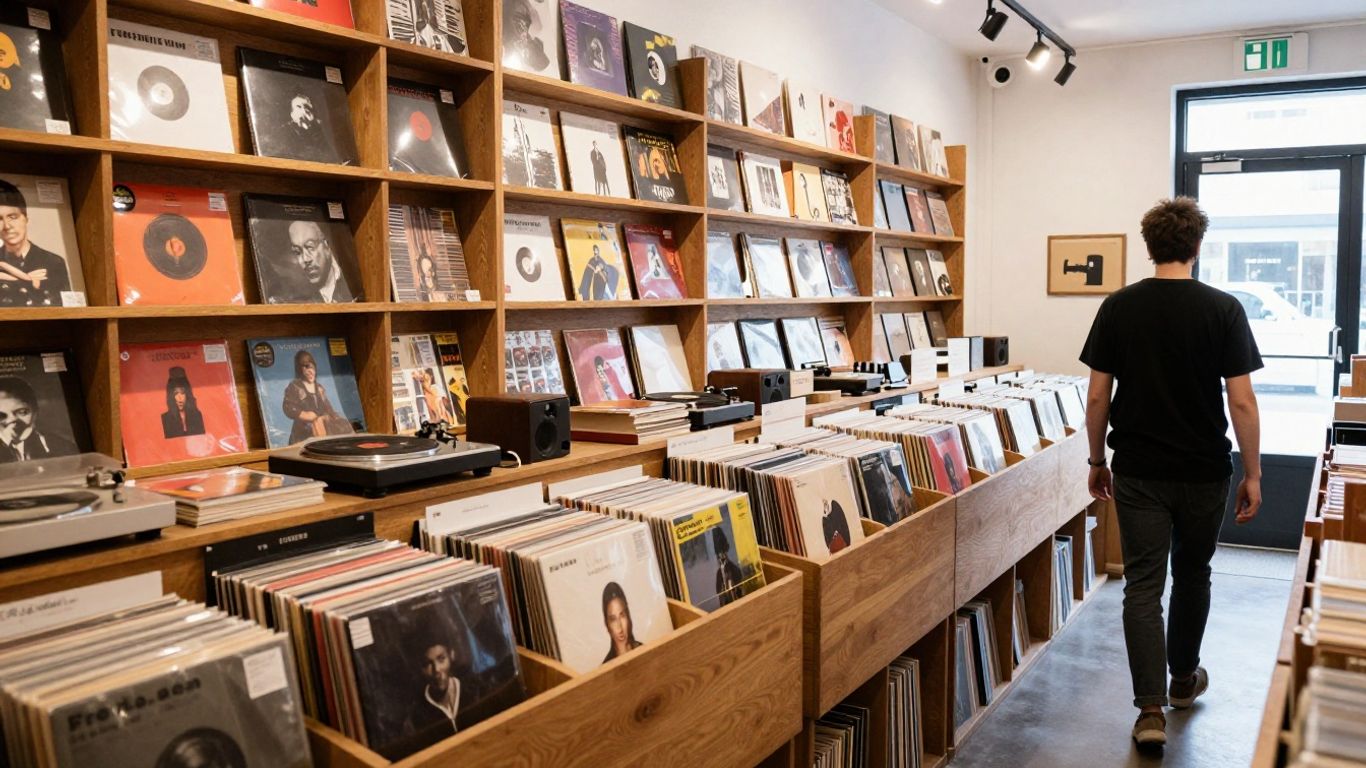
Melbourne is well suited to wandering between record shops, particularly when we plan around inner-city and northern suburbs. We can find stores focused on new releases, second-hand rock, soul, jazz, electronic music, experimental sounds, and local artists within a manageable trip.
The city’s specialist culture rewards preparation, but we should leave room for browsing. Checking a store’s current focus before visiting can save time, especially when we are searching for a particular format or genre rather than general browsing.
Sydney’s inner-city stores and collector destinations
Sydney’s established inner-city areas remain useful starting points for collectors, with shops ranging from accessible new-release retailers to dealers handling older and rarer material. Travel time matters more here, so grouping visits by suburb can make the day far more comfortable.
We should ask whether a store’s online catalogue reflects its entire floor stock. Some of the most enjoyable discoveries are records that have only just arrived or have not yet been photographed. A quick call can also confirm whether a specialist section is currently open or being reorganised.
Brisbane and the growth of independent vinyl retailers
Brisbane offers a lively mix of shops, markets, and music communities, with opportunities to find both current pressings and used records. The city’s spread means that a little route planning is worthwhile, particularly if we are visiting from outside the area.
We can combine a central stop with a suburb known for independent music venues or collectables. That approach makes the trip less dependent on one shop having a particular title and gives us more chances to hear about local events or fresh arrivals.
Perth, Adelaide, and regional store highlights
Perth and Adelaide reward collectors who research before setting out. Their shops can have strong local identities, and a smaller number of stores does not necessarily mean a narrower experience. We may find a broad generalist, a carefully curated specialist, and a weekend market serving different parts of the collecting community.
Regional towns can be just as interesting when we understand what each shop does best. A store near a live-music scene may carry local releases, while an older dealer may have decades of second-hand buying experience. We should check current hours rather than relying on an old directory entry.
Record shops worth visiting in smaller Australian towns
Smaller-town shops often depend on repeat customers, local collections, and stock that has been gathered over time. Their shelves may not follow the genre divisions we see in a large city store, which can make browsing slower but more rewarding.
We should approach these visits with patience and respect. Asking about the town’s music history, local artists, or recent collections can lead to better recommendations than naming only a famous album. Even when we leave without a purchase, a thoughtful conversation helps sustain the place.
Choosing a record store for your music taste
There is no universal definition of the best record store. We might want sealed reissues, affordable first albums, obscure dance music, Australian releases, or records for a particular listening setup. The right shop is the one whose stock, grading standards, and staff knowledge match that purpose.
Stores specialising in new releases and current pressings
For new records, we should look for stores that clearly separate pre-orders, recent releases, reissues, and back-catalogue titles. A reliable retailer will provide enough detail for us to understand what edition is being sold, especially when several pressings share similar artwork.
New-release specialists can also help with release timing and availability. If a title matters to us, pre-ordering may be sensible, but we should still compare the listed catalogue number, format, and country of manufacture before committing.
Shops known for second-hand and vintage records
Second-hand shops are ideal when the pleasure lies in browsing rather than simply acquiring a known title. We can find older pressings, inexpensive starter records, and albums with histories that are impossible to predict from a search result.
The best experience comes from understanding the shop’s grading habits. Some stores price conservatively and move stock quickly; others specialise in rarities and charge accordingly. We should inspect the record and sleeve ourselves instead of assuming that a higher price guarantees a perfect copy.
Finding jazz, soul, classical, punk, and electronic specialists
Genre specialists can save time because their buying networks and staff knowledge are concentrated around a particular listening culture. A jazz shop may understand labels and musicians that a generalist files alphabetically, while an electronic specialist may organise by label, style, or era.
We should not be discouraged by unfamiliar terminology. Asking for a recommendation based on records we already enjoy is often more productive than trying to describe a collection using collector jargon. A good specialist will usually help us refine the search without making the conversation feel like a test.
Where to look for Australian artists and local labels
Local releases can appear in independent shops, artist-run spaces, label webstores, live venues, and community markets. We should check these places when we want music that may not receive wide distribution through larger retail channels.
Staff can also point us towards compilations, small-run releases, and older Australian records that are easy to overlook. Buying directly from an artist or local label may be especially useful when the record is part of a current tour or launch, although availability can change quickly.
Planning a record-buying trip
A record-shopping day works best when we balance practical preparation with enough unstructured time. Shops may open later than expected, move premises, or receive a collection just after we leave. We should plan the route, then accept that the most memorable part of the trip may be the stop we did not originally expect.
Checking opening hours, events, and current stock
Before travelling, we should check the shop’s own website or social pages for opening hours, public holidays, events, and temporary closures. Search listings can lag behind a move or a change in trading days.
A short call or message is worthwhile for a specific title, but we should remember that stock can sell before we arrive. Rather than asking only whether something is available, we can ask which section best matches our taste and whether new used stock has recently been processed.
Grouping stores by suburb or city neighbourhood
Mapping shops into small clusters makes a day easier on our feet and leaves more time for actual browsing. We can choose one central area, then add a nearby market, café, or music venue instead of trying to cross an entire city between every stop.
A simple sequence often works well:
- Start with a shop whose opening time is confirmed.
- Walk or take a short trip to a second nearby store.
- Leave room for a market or unexpected dealer.
- Finish near transport with enough space for carrying records.
This plan gives us structure without turning the outing into a race. It also reduces the chance of buying in haste because we are worried about reaching the next suburb.
Using public transport, parking, and walking routes
Records are heavier and more fragile than they look, especially once we have bought several gatefold sleeves or boxed sets. We should consider lockers, a backpack with firm support, or a vehicle location that allows us to return purchases safely during the day.
Public transport can be convenient in dense areas, while driving may suit regional routes or larger hauls. We should check stairs, walking distances, parking restrictions, and the weather before choosing a route. A small amount of preparation protects both our energy and the records.
Allowing time for browsing and crate digging
Crate digging is slow by nature. We need time to read spines, pull out unfamiliar names, compare copies, and listen when a store offers a turntable. Rushing encourages us to buy the first acceptable copy rather than the best condition or edition for the price.
We can make the process easier by carrying a short want list, a broader list of related artists, and a spending limit. The list keeps us focused, while the broader names leave room for discovery. Most importantly, we should allow enough time to return a record to the shelf if it does not genuinely appeal.
Evaluating vinyl before you buy
A record’s value is shaped by condition, pressing details, demand, and our own reason for wanting it. A rare copy in poor condition may be less enjoyable than a common pressing that plays quietly. We should treat grading as useful information, not as a substitute for inspection.
Understanding record grading terminology
Grading systems commonly describe the condition of the disc and the sleeve separately. Terms such as Mint, Near Mint, Very Good Plus, Very Good, and Good can indicate a broad range of wear depending on the seller, so we should learn how that particular shop applies them.
A written grade is most useful when paired with notes about marks, spindle wear, writing, stickers, or seam splits. If we are buying online, photographs and a clear return policy matter as much as the label attached to the condition.
Checking discs for scratches, warping, and surface noise
Under good light, we should tilt the record slowly and look for scratches that cross the playing surface. Fine hairlines may be harmless, while deeper marks can cause repeated noise or skips. We should also check for warping by viewing the record from the side or asking the shop to play it.
Surface noise is not always visible, and some records need to be heard before we can judge them properly. Dust, static, and a worn stylus can confuse the assessment, so we should avoid making a strong decision based on a brief crackle alone. A careful clean may help, but it cannot repair a deep scratch.
Inspecting sleeves, inserts, labels, and original pressings
The sleeve can reveal how a record was stored and handled. We should check seams, corners, ring wear, water damage, writing, stickers, and whether the inner sleeve or booklet is present. For collectors, those details may matter as much as the disc itself.
Labels, catalogue numbers, runout markings, and inserts can help distinguish an original pressing from a later reissue. We should compare the information with a trusted discography or the release details supplied by the shop. Similar cover art does not always mean identical audio or manufacturing.
Comparing condition with price and rarity
A high price should reflect more than a familiar title. We should consider the exact pressing, condition of both components, completeness, demand, and whether a less expensive edition would satisfy our listening goal.
A useful comparison is to ask what we are really paying for: sound, history, scarcity, artwork, or collectability. If we want a record for regular listening, a clean and reasonably priced copy may be the wiser choice. If we are building a specialist collection, rarity may matter more, but we should still decide how much wear we can accept.
Buying new and second-hand records online
Online buying expands our reach, particularly when local shelves do not contain a specialist title. It also removes the chance to handle the record before paying, so we need to replace physical inspection with careful questions and documentation. The safest listings make the edition, condition, postage, and return terms easy to understand.
Comparing Australian record store websites and marketplaces
Store websites can offer clearer stock control and direct customer service, while marketplaces may provide a much larger range of sellers and editions. We should compare the seller’s location, handling time, photographs, grading language, and feedback rather than focusing on the headline price alone.
A local store may cost slightly more than an international listing but provide easier communication and simpler returns. We should compare the complete delivered price and the effort involved if the item arrives damaged or differs from the description.
Verifying pressing details and catalogue numbers
Before ordering, we should match the catalogue number, format, label, year, country, barcode, and any stated colour or special edition detail. These identifiers help separate a wanted pressing from a similarly packaged release.
When a listing is vague, we can ask for photographs of the labels, runout area, spine, and barcode. A seller who cannot provide basic details may still have a genuine record, but the uncertainty should be reflected in our willingness to pay.
Calculating shipping, insurance, and return costs
The final cost includes more than the record. We should account for postage, packaging, tracking, optional insurance, taxes or import charges where relevant, and the cost of returning an incorrect or damaged item.
Packaging deserves particular attention. Stiff mailers, corner protection, and separation between the record and sleeve reduce the chance of seam splits. If a listing does not explain how records are packed, we can ask before ordering rather than hoping for the best.
Recognising misleading listings and counterfeit pressings
Vague descriptions, stock photographs, implausible rarity claims, and unusually low prices deserve caution. We should compare the listing with known release information and look for inconsistencies in labels, fonts, artwork, catalogue numbers, or manufacturing details.
No single clue proves that a record is counterfeit, but several inconsistencies together are a strong reason to pause. We should keep screenshots, messages, and photographs of the package if a purchase does not match its description. Clear communication is easier when we have recorded exactly what was offered.
Getting better value from Australian record stores
Value is not only the lowest price on a shelf. It includes the quality of advice, the chance to discover music, the condition of the stock, and the continued existence of shops that make collecting possible. We can improve our own buying experience while helping independent stores remain part of local music culture.
Building relationships with store owners and staff
Regular, respectful conversations can make future visits more useful. We can explain the music we enjoy, the formats we prefer, and whether we are searching for listening copies or collectible editions. Staff then have a clearer basis for recommendations.
We should also respect the shop’s pace and expertise. Not every visit needs a long conversation, and not every recommendation will suit us. Over time, a simple exchange about a new arrival or a favourite record can develop into genuinely helpful guidance.
Asking about arrivals, want lists, and trade-ins
Many stores receive stock that is processed gradually, so asking when new used records are usually put out can improve our timing. A want list may also help staff contact us when a suitable copy arrives, provided we give precise details and remain patient.
We can describe acceptable condition, preferred pressing, and a realistic price range. A useful want list is specific enough to guide the search but flexible enough to allow a good alternative. We should update it when we find a title elsewhere.
Negotiating responsibly on used records
Negotiation is most appropriate when a record has a clear condition issue, has been in stock for a long time, or is part of a larger purchase. We should ask politely rather than assuming every used record has room for a discount.
The shop’s grading, rent, processing time, and buying costs all affect the price. A modest, respectful question is usually better than an aggressive offer. If the price is fair and the record is right for us, paying it supports the work behind the shelf.
Supporting local shops beyond one-time purchases
We can support shops by returning for ordinary purchases, attending events, sharing accurate recommendations, and buying accessories or gifts when suitable. A store does not survive only on rare finds; steady everyday trade matters too.
We should also remember that browsing without buying is normal, provided we handle records carefully and do not block the counter during busy periods. When we find a shop whose selection and atmosphere suit us, becoming a regular customer is one of the simplest ways to help keep it there.
Conclusion
The best record-shopping experience comes from matching the store to our taste, planning enough to avoid unnecessary friction, and staying curious once we arrive. Across Australia, independent shops, fairs, markets, and local music communities offer different routes into collecting. If we inspect records carefully, ask useful questions, and buy with patience, every trip can bring us closer to a collection that sounds good and feels personal.
Frequently Asked Questions
How do we find a good record store in Australia?
We can begin with local directories, music communities, record fairs, and recommendations from listeners whose tastes overlap with ours. Checking current opening hours and the shop’s specialities before travelling makes the first visit more productive.
Are independent record stores better than major retailers?
Neither is always better. Major retailers can be convenient for predictable new releases, while independent shops often provide more varied stock, specialist knowledge, and local connections. The right choice depends on what we want to buy.
What should we take when visiting a record shop?
A short want list, a broader list of related artists, and a practical way to carry records are useful. We may also want a small torch for checking surfaces in dim light, although many shops provide suitable lighting for inspection.
How can we tell whether a second-hand record is in good condition?
We should inspect the disc under good light for scratches, warping, and dirt, then check the sleeve, labels, inserts, and seams. When possible, listening to the record is the best way to assess surface noise and skips.
Is buying records online safe?
It can be, provided we verify the pressing details, seller information, grading, photographs, packaging, postage, and return policy. We should be cautious when a listing is vague, unusually cheap, or inconsistent with known release information.
Should we buy an original pressing or a reissue?
That depends on our priorities. An original may appeal to collectors, while a reissue can be a practical choice for regular listening. We should compare the specific editions, their condition, sound, price, and completeness.
When is the best time to visit a record store?
There is no single best time, but quieter periods can make browsing and conversation easier. We can also ask when the shop usually processes new arrivals, while remembering that fresh stock may appear unpredictably.